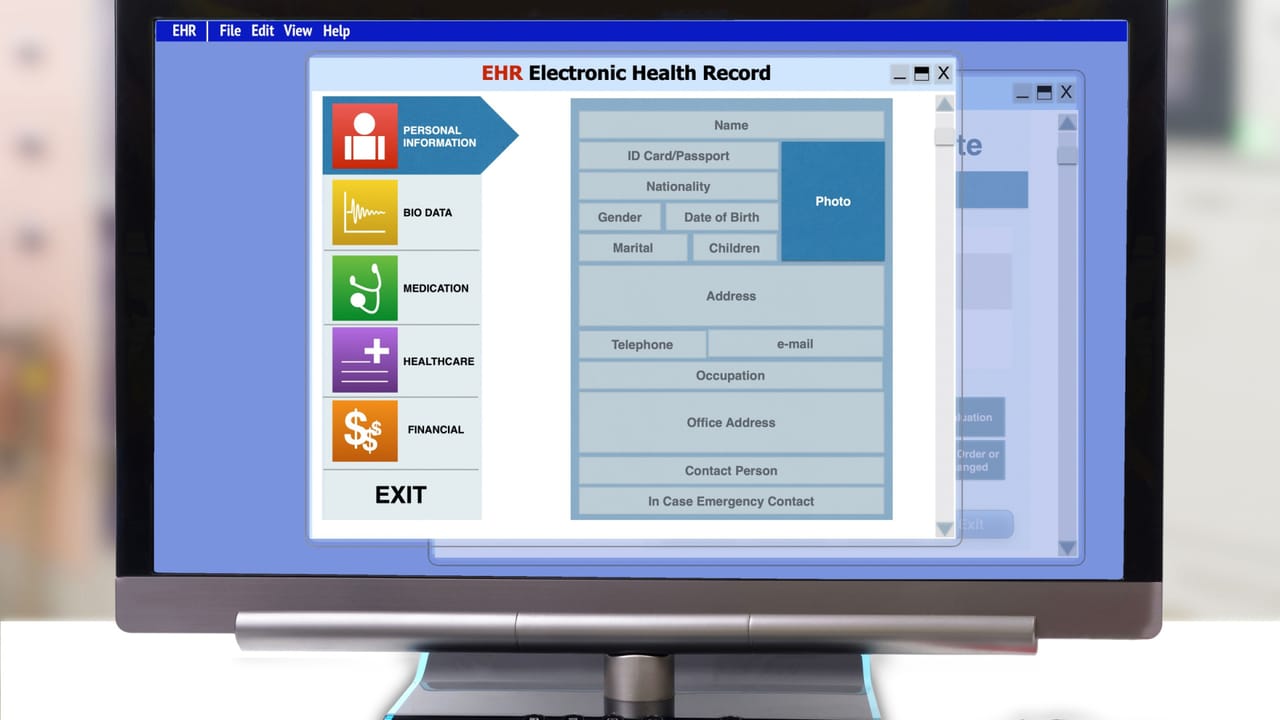
OpenEMR, a widely deployed electronic health record platform serving over 100,000 healthcare providers, contains 38 security vulnerabilities. Researchers using AI-driven analysis identified flaws enabling database compromise, remote code execution, and unauthorized data theft.
The vulnerabilities span authentication bypass, SQL injection, and insecure deserialization issues. Attackers with network access to OpenEMR instances can execute arbitrary code on affected servers and extract patient records without credentials. The platform's prevalence in primary care clinics, hospitals, and urgent care facilities means the exposure affects millions of patient records.
OpenEMR developers have released patches addressing multiple CVEs. Healthcare organizations running OpenEMR must prioritize immediate patching, particularly systems exposed to untrusted networks. Network segmentation and access controls should isolate EHR systems from internet-facing infrastructure.
The research demonstrates the effectiveness of automated vulnerability discovery in legacy healthcare software. Healthcare IT teams should implement continuous monitoring for similar EHR platform vulnerabilities and establish rapid patching workflows. Given HIPAA obligations, entities failing to remediate known flaws face regulatory scrutiny and breach liability.