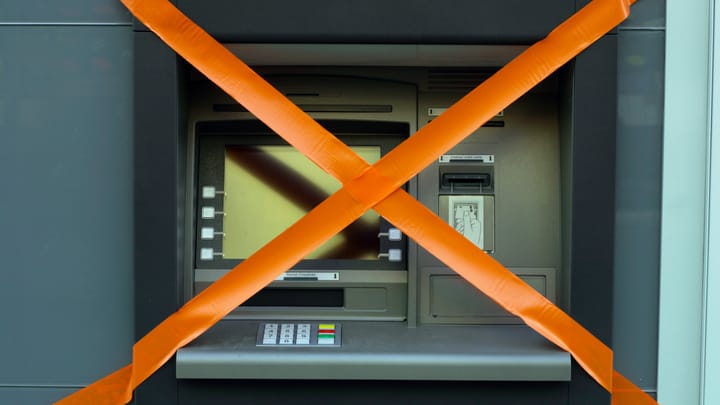
Microsoft BitLocker vulnerabilities expose ATM infrastructure and broader organizational systems to compromise, researchers warn. The flaws exist in BitLocker's security wrapper, the encryption layer designed to protect sensitive data on Windows devices including automated teller machines.
BitLocker serves as a foundational security control for organizations managing encrypted storage across enterprise environments. ATMs depend on BitLocker to protect cryptographic keys and transaction data stored locally on machines. Vulnerabilities in this layer bypass encryption protections entirely, allowing attackers direct access to protected information without requiring the encryption key.
The specific technical details regarding CVE designations and attack vectors remain limited in current reporting. However, the threat model is straightforward: compromised ATMs enable theft of cryptographic material used in payment processing, potentially leading to fraudulent transactions or wholesale theft of customer funds. For organizations using BitLocker across general infrastructure, the exposure extends to any encrypted data stored on Windows systems.
ATM manufacturers and financial institutions face immediate pressure to assess their infrastructure. Devices running vulnerable BitLocker versions require patching or temporary isolation from networks pending updates. Organizations storing sensitive data on BitLocker-encrypted drives must evaluate whether attackers accessed their systems during the vulnerability window.
Microsoft has likely released patches through standard security update channels. Organizations should prioritize applying these updates to ATM networks and any systems using BitLocker for data protection. Banks should coordinate with their ATM vendors to confirm patch availability and deployment timelines.
The vulnerability demonstrates a persistent risk pattern: security wrappers and encryption layers, while essential, remain subject to implementation flaws that can undermine their entire protective function. Organizations relying on BitLocker as a primary security control should review their incident response procedures and consider defense-in-depth strategies that don't depend solely on this single encryption mechanism.