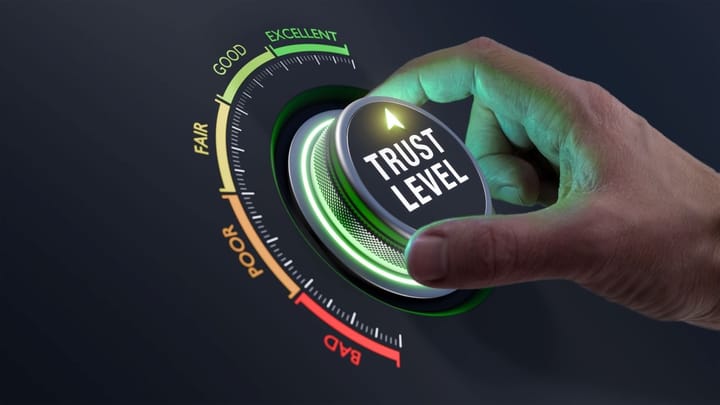
AI systems deployed without human verification of their outputs create blind spots in enterprise security infrastructure. Organizations increasingly automate decision-making processes based on AI recommendations, but these systems often lack transparency checkpoints that allow security teams to validate the logic before execution.
The vulnerability stems from the architecture of modern AI integration. When machine learning models both analyze threats and trigger responses automatically, defenders lose visibility into why specific actions occurred. A model might isolate a system, block traffic, or escalate alerts based on pattern recognition humans cannot fully audit. If the model's reasoning contains flaws or biases, the damage executes before anyone catches it.
This blind trust creates three distinct risks. First, adversaries can manipulate AI models through adversarial inputs, causing misclassification of malicious traffic as benign or vice versa. Second, cascading errors compound without human intervention. A single model mistake propagates across dependent systems and decisions. Third, compliance and breach forensics become impossible. When an AI system takes action, security teams struggle to document why, which violates audit requirements and complicates incident response.
Real-world impact accelerates as enterprises deploy AI-driven Security Orchestration, Automation and Response (SOAR) platforms and autonomous threat hunting tools. These systems make decisions at machine speed, which creates pressure to trust their outputs implicitly. The efficiency gains come at the cost of accountability.
Effective deployment requires human-in-the-loop verification. Security teams should implement approval workflows for high-impact AI decisions like account disables, network isolation, or data quarantine. Lower-risk actions like log analysis or alert triage can run autonomously. Organizations must also mandate explainability. AI models should generate human-readable reasoning for their recommendations, enabling defenders to understand and challenge the logic.
The solution balances speed with oversight. Automation handles volume. Humans validate judgement calls. AI tools amplify defender capabilities only