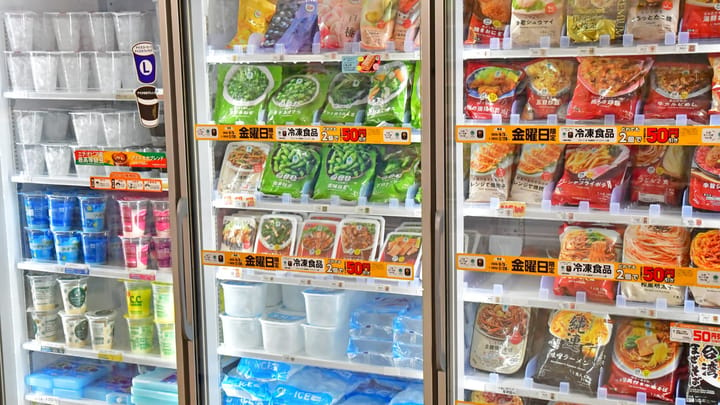
A ransomware attack has crippled operations at a major Japanese frozen-food distributor, disrupting supplies to thousands of customers including Kentucky Fried Chicken franchises across Japan. The attack forced the company to shut down computer systems and halt distribution, creating immediate shortages for restaurants and retailers dependent on their supply chain.
The incident exposes vulnerabilities in critical food infrastructure. Ransomware actors increasingly target logistics and distribution networks because these organizations operate 24/7 supply chains with minimal tolerance for downtime. When systems go offline, attackers know companies face extreme pressure to pay quickly rather than suffer cascading losses across their entire customer base.
The Japanese frozen-food distributor's operational model, like most large logistics firms, integrates inventory management, order processing, and delivery routing into networked systems. A successful compromise of these systems halts shipments, creates perishable goods spoilage, and forces franchise operators to source alternatives. The financial damage extends beyond the victim organization to every business in its supply chain.
No specific ransomware group has been publicly attributed yet, though the attack follows patterns common to Russian and Eastern European threat actors who systematically target supply chain vulnerabilities. These actors often demand payments in cryptocurrency while threatening to leak stolen data if demands aren't met.
The incident underscores a broader challenge facing Japan's critical infrastructure. Food distribution systems lack the regulatory oversight and mandatory cybersecurity standards that protect banking or energy sectors. Many smaller distributors and franchises operate legacy systems with minimal security investment, creating cascading failure points across entire networks.
For organizations dependent on Japanese frozen-food suppliers, the attack represents a real supply chain risk. Companies now face pressure to develop alternative supplier relationships and build inventory buffers for critical inputs. Larger customers like KFC may absorb short-term disruptions, but smaller restaurants and retailers lack such resilience.
The distributor must now navigate negotiation pressure,