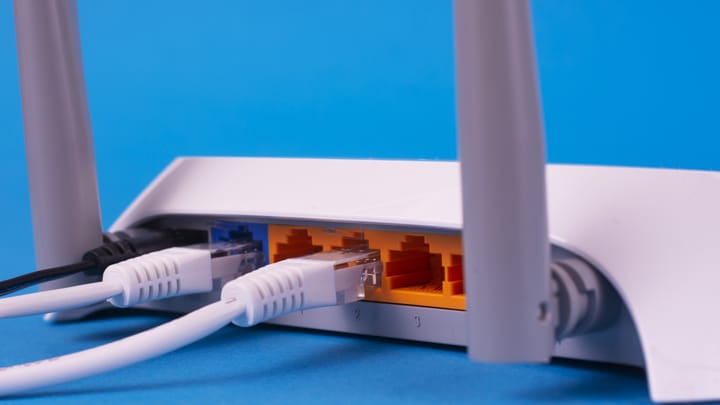
Security researchers have identified 15 vulnerabilities in TP-Link network devices that expose critical gaps in zero-trust provisioning practices, highlighting systematic risks that extend far beyond a single manufacturer.
The vulnerabilities span TP-Link's router and network device firmware, affecting the automated provisioning workflows that organizations rely on during device deployment and onboarding. These flaws create pathways for attackers to intercept, manipulate, or bypass security controls during the initial setup phase, when devices are often in their most vulnerable state.
Provisioning represents a blind spot in zero-trust architecture. While zero-trust frameworks emphasize verifying every access request and device, the provisioning stage frequently operates under different assumptions. Devices arrive with default credentials, factory configurations, and minimal verification mechanisms. Organizations must configure and integrate these devices into networks quickly, often deprioritizing security hardening in favor of operational speed.
The TP-Link research demonstrates this tension concretely. The identified CVEs likely include authentication bypass flaws, unencrypted communication channels during setup, hardcoded credentials, or weak credential generation mechanisms. Attackers positioned on a network during device provisioning could exploit these gaps to gain initial access, establish persistence, or harvest credentials used in subsequent phases.
The scope of this risk extends to enterprises across multiple sectors. TP-Link manufactures routers, switches, access points, and network adapters deployed in corporate offices, remote locations, and branch environments. The vulnerabilities don't require sophisticated exploitation. An attacker with network proximity during provisioning, or one who intercepts provisioning traffic, could move laterally across the organization's infrastructure.
The research underscores that zero-trust implementations often neglect the provisioning phase entirely. Most zero-trust frameworks focus on ongoing access control, data protection, and threat detection. Provisioning sits in a temporal gap: it occurs before the device fully joins the trusted ecosystem, yet security teams rarely apply zero-trust principles retroactively to this stage.
Organizations using TP-Link network devices should prioritize patches as the vendor releases them. The immediate remediation path involves updating affected devices to patched firmware versions. However, patches alone address only the symptom. The underlying issue requires architectural changes.
Effective responses involve several steps. First, organizations should segment provisioning environments from production networks. New devices should connect to isolated networks during setup, minimizing exposure to production infrastructure. Second, provisioning workflows should incorporate verification mechanisms: validating device firmware signatures, confirming device identity through secure channels, and logging all provisioning activities.
Third, organizations should apply zero-trust principles to provisioning by default. This means requiring strong authentication even during initial setup, encrypting all provisioning communications, and implementing automated compliance checks before a device receives full network access.
The research team's decision to highlight TP-Link reflects the company's market position rather than unique negligence. These provisioning gaps likely exist across multiple network device manufacturers. The vulnerability patterns identified serve as indicators for security teams to audit their own provisioning environments, regardless of the specific equipment deployed.
This research pushes zero-trust beyond theoretical frameworks into operational reality. Organizations claiming zero-trust deployments should audit whether provisioning stages receive equivalent security scrutiny as ongoing operations. If provisioning remains a trusted phase, zero-trust implementation remains incomplete.