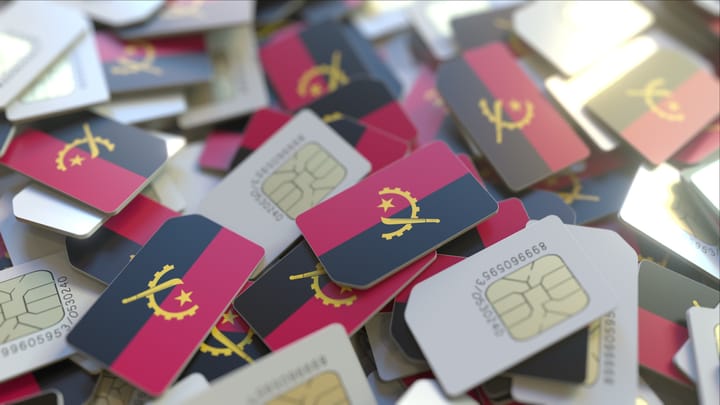
Unitel, Angola's largest telecommunications operator, suffered a significant cyberattack hours before its initial public offering (IPO), disrupting services across the nation's mobile network on the day of the listing.
The timing of the breach exposed a critical vulnerability in the company's security posture at the worst possible moment. Unitel provides mobile services to millions of Angolans and represents a strategic national asset. The attack triggered network outages that affected customer connectivity and undermined confidence in the company precisely when institutional investors were evaluating the IPO prospectus.
The company initially confirmed the incident but disclosed minimal technical details about the attack vector, the threat actor responsible, or the scope of customer data compromised. This operational silence reflects common practice among major telecom operators following breaches. Recovery efforts continued for hours after the IPO launch, with service restoration prioritized to restore investor and customer confidence.
For organisations operating critical infrastructure, the Unitel incident underscores a hard lesson. Telecom operators face constant targeting from state-sponsored actors, financially motivated criminal groups, and hacktivists. Network outages during high-stakes corporate events amplify reputational damage and financial consequences. In emerging markets, where regulatory frameworks around breach disclosure remain inconsistent, opacity compounds risk.
The attack's timing raises questions about defensive readiness. Threat actors often synchronize campaigns with corporate events to maximize disruption and media visibility. Coordinated attacks during IPOs can trigger stock price volatility and litigation exposure. Unitel's shareholders and regulators faced immediate questions about management's security investments and incident response capabilities.
Telecom operators typically hold vast databases of personally identifiable information, call records, and location data. A successful breach against Unitel potentially exposed millions of customer records to theft or misuse. Angolan regulatory authorities would require notification of affected individuals, though enforcement of such requirements remains variable across African jurisdictions.
Recovery operations for Unitel involved restoring network segments, validating system integrity, and rebuilding customer trust. The company's response speed determined whether the outage lasted hours or days. Extended service disruption carries operational costs and regulatory scrutiny, particularly for an operator that had just entered public markets.
The incident reflects broader vulnerabilities affecting African telecom operators. Limited cybersecurity budgets, legacy infrastructure, and talent shortages create defensive gaps. State-sponsored actors from multiple countries conduct persistent reconnaissance against African telecommunications providers to harvest intelligence and establish long-term access.
Investors in Unitel faced a difficult calculation. The breach and IPO-day outages signaled security lapses, yet the company remained Angola's only viable mobile operator option in a largely underserved market. Risk appetite ultimately depends on whether management demonstrated genuine commitment to remediation and whether regulatory oversight would enforce accountability.
The attack adds Unitel to a growing list of telecom operators targeted globally. Ransomware groups, state-backed teams, and criminal syndicates routinely target telecommunications infrastructure for financial gain, espionage, and geopolitical leverage. Unitel's status as a government asset likely attracted multiple adversary classes simultaneously.