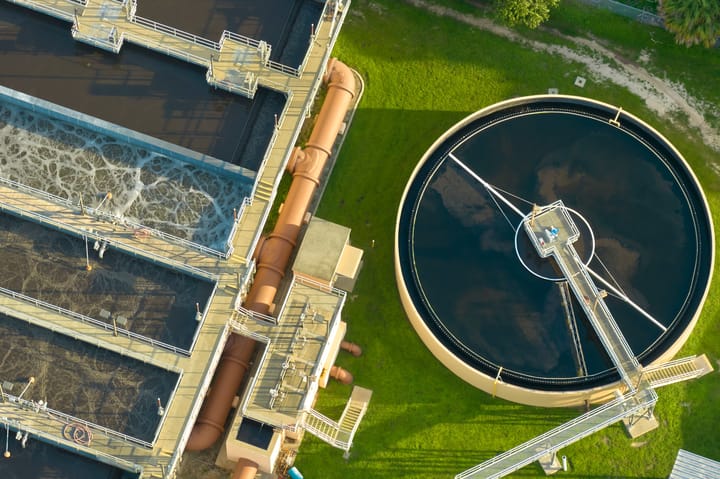
Iran-linked threat actors targeted over 30 community water systems across Minnesota, demonstrating accelerating cyber-risks to U.S. critical infrastructure. The attacks underscore vulnerabilities in smaller water utilities that often lack robust cybersecurity defenses and dedicated IT staff.
Water sector attacks carry particular urgency because disruptions directly impact public health and safety. Drinking water systems rely on supervisory control and data acquisition (SCADA) systems and other operational technology to manage treatment, distribution, and safety monitoring. Compromised systems could enable attackers to alter chemical dosing, contaminate supplies, or create service outages affecting thousands of residents.
The targeting of community-sized utilities reflects a shift in adversary focus. Large urban water providers typically invest substantially in security controls, incident response teams, and network segmentation. Smaller systems operate with constrained budgets, aging infrastructure, and often depend on part-time or outsourced IT support. This gap makes them attractive targets for nation-state actors seeking to establish footholds in critical infrastructure sectors.
Iranian state-sponsored groups have demonstrated persistent interest in U.S. water infrastructure. Previous campaigns attributed to Iranian actors targeted energy grids and industrial control systems. The Minnesota incidents suggest expanding reconnaissance or preparation activities, though no confirmed operational compromise or service disruption was reported.
Defender response centers on several fronts. Water utilities must prioritize network segmentation between operational technology and information technology systems, implement multi-factor authentication for remote access, and deploy monitoring tools to detect abnormal activity. The Cybersecurity and Infrastructure Security Agency (CISA) provides sector-specific guidance and maintains an information-sharing program for water utilities.
Attackers typically establish initial access through phishing, credential compromise, or unpatched vulnerabilities in internet-facing systems. Once inside, they conduct reconnaissance to map network architecture and identify critical control systems. Early detection during these phases remains the most effective