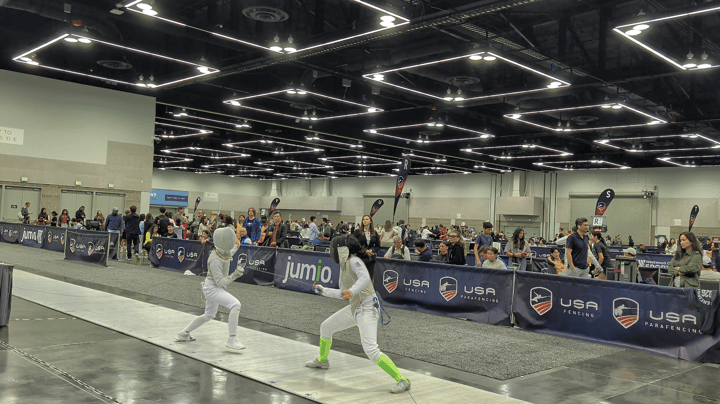
USA Fencing deployed an automated identity verification system to streamline membership processing for its growing athlete base. The automation reduces manual review bottlenecks while maintaining compliance with category assignments that ensure fair competition across amateur divisions.
The system processes identity documentation electronically, allowing USA Fencing staff to verify athlete credentials without the delays of traditional paper-based workflows. This matters because amateur sports organizations face mounting pressure to process thousands of memberships annually while maintaining eligibility standards and preventing category fraud, where athletes compete outside their proper divisions.
The automation addresses a genuine operational challenge. Manual identity verification creates administrative backlogs that frustrate athletes trying to register, while also creating security gaps where human reviewers miss fraudulent applications or documentation. Automated systems apply consistent verification rules across all submissions, reducing human error in eligibility decisions.
Category fraud in amateur athletics has documented consequences. Athletes competing in incorrect divisions gain unfair advantages, skew competitive rankings, and undermine trust in tournament results. For fencing specifically, age and gender categories determine competition brackets. Misclassification directly impacts fairness and athlete safety, particularly in youth divisions where age-based physical development differences are substantial.
USA Fencing's approach reflects broader adoption of identity verification automation across amateur sports governing bodies. The technology validates documents, cross-references athlete data against registration records, and flags submissions requiring human review. This hybrid model preserves human judgment for edge cases while eliminating routine processing delays.
The implementation requires robust data handling practices. USA Fencing collects sensitive personal information including copies of government-issued identification. Automated systems store this data securely and maintain audit trails for compliance with youth safeguarding requirements. Sports organizations handling minor athletes face particular obligations to protect identity documents from breach or misuse.
For athletes and their families, the faster processing improves the registration experience. For USA Fencing operations, reduced administrative overhead reallocates staff resources toward compliance monitoring and fraud investigation