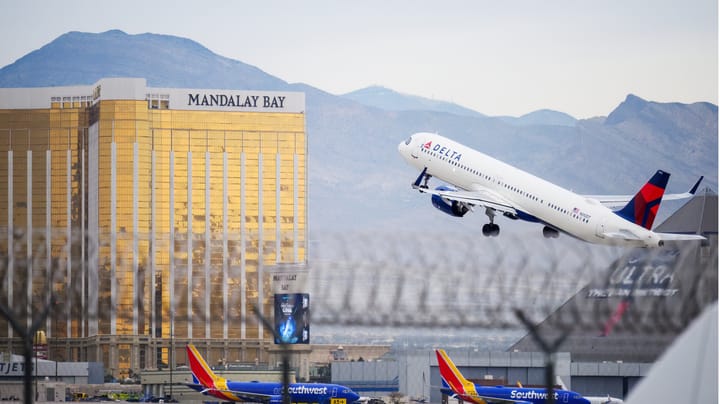
# Delta Flight Disrupted With Wi-Fi Hack: Airline Network Security Under Scrutiny
A Delta Air Lines flight experienced operational disruption tied to Wi-Fi network compromise, raising renewed concerns about cybersecurity weaknesses in aviation infrastructure. The incident underscores how attackers can leverage in-flight connectivity systems to disrupt critical airline operations, not just steal passenger data.
Details remain limited from initial reporting, but the core vulnerability centers on Delta's onboard Wi-Fi network. Attackers gained unauthorized access to the system, creating enough operational friction to cause flight delays or service interruptions. The attack vector likely exploited unpatched systems, weak authentication mechanisms, or misconfigurations common in legacy aviation IT environments that airlines have been slow to modernize.
Airlines operate under extreme operational pressure. A single compromised Wi-Fi network can cascade into broader problems. Aircraft Wi-Fi systems connect to crew tablets, flight management displays, and ground operations networks. If attackers breach these systems without proper segmentation, they can access more than just passenger internet traffic. They gain visibility into operational technology that affects flight safety and scheduling.
Delta operates one of North America's largest airline networks. The carrier manages hundreds of daily flights and millions of passenger records. Wi-Fi breaches create two distinct risks. First, attackers harvest personal data from passengers using the network. Second, they disrupt operational systems that airlines depend on for scheduling, crew coordination, and real-time communication. Either outcome damages Delta's operations and reputation.
The incident arrives as the cybersecurity community watches U.S. government strategy shift toward "hack back" operations. These are offensive cyber actions where authorized government entities retaliate against foreign attackers or threat actors. This approach signals a harder line against state-sponsored actors and criminal groups targeting critical infrastructure. Aviation clearly falls into that category.
The Federal Aviation Administration and the Cybersecurity and Infrastructure Security Agency treat aviation cybersecurity as a national priority. Commercial aircraft carry thousands of passengers daily and represent dual-use infrastructure. A successful attack that disrupts flight operations or compromises safety systems could trigger cascading effects across the national transportation network.
Airlines lag behind financial institutions and healthcare providers in cybersecurity maturity. Many operate decades-old systems that were never designed with threat models in mind. Legacy avionics, Wi-Fi systems, and ground infrastructure exist alongside newer cloud-based operational tools. This patchwork creates friction points for attackers.
The Delta incident follows a pattern. In 2016, a similar Wi-Fi breach at an unnamed airline resulted in flight delays. In 2019, multiple carriers reported Wi-Fi vulnerabilities. Yet industry-wide remediation remains slow. Airlines claim they lack resources and cannot ground fleets for major security upgrades.
Regulatory pressure may accelerate change. CISA publishes regular advisories targeting aviation cyber risks. The FAA has begun requiring security assessments for aircraft systems. These moves push airlines toward baseline cybersecurity practices that other critical infrastructure sectors adopted years ago.
For passengers, Wi-Fi breaches mean exposed credentials, payment information, and travel itineraries. For airlines, operational disruptions translate to lost revenue and stranded passengers. The Delta incident demonstrates that aviation Wi-Fi security is not a convenience issue. It directly impacts safety and operations.