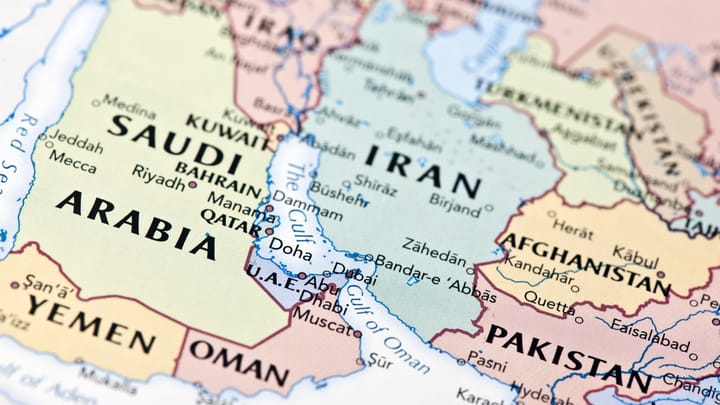
The United Arab Emirates and Saudi Arabia faced a disproportionate share of cyberattack activity in the first half of 2026, absorbing half of all recorded attacks across the Gulf region during that period. This concentration of threat activity reflects the nations' status as economic and digital hubs within the Middle East, making them attractive targets for state-sponsored actors, financially motivated cybercriminals, and hacktivist groups.
The spike in attacks reflects a broader trend of escalating cyber operations targeting the Gulf Cooperation Council member states. Both nations have invested heavily in digital infrastructure, financial services, and government digitalization initiatives, creating larger attack surfaces and more valuable targets. The UAE's role as a global trading and financial hub, combined with Saudi Arabia's strategic energy sector importance, makes these countries particularly valuable to threat actors across multiple threat categories.
Attackers targeting the region employ increasingly sophisticated techniques. Threat actors have shifted beyond commodity malware and simple phishing campaigns toward supply chain compromises, zero-day exploitation, and multi-stage attack chains designed to evade advanced detection systems. The complexity of attacks suggests involvement from nation-state groups alongside criminal organizations. Iran-linked threat actors have historically targeted Gulf nations for espionage and disruptive operations. North Korean actors have pursued financial institutions and cryptocurrency platforms. Russian-affiliated groups have conducted reconnaissance and data theft campaigns.
The types of attacks vary by sector. Energy infrastructure operators face industrial control system targeting from state-backed groups. Financial institutions contend with credential theft campaigns and ransomware operations. Government agencies handle espionage-focused intrusions. Telecommunications providers experience infrastructure probing and supply chain attacks.
Organizations in both nations report difficulty defending against attacks with advanced evasion capabilities. Traditional perimeter defense and endpoint detection tools often fail to identify sophisticated threats that use living-off-the-land techniques, fileless malware, and legitimate administrative tools for lateral movement. The attackers frequently maintain persistence for extended periods before conducting data exfiltration or deploying destructive payloads.
Regional cybersecurity capacity varies significantly. The UAE has developed advanced threat intelligence and response capabilities through its National Electronic Security Authority and private sector partnerships. Saudi Arabia strengthened defenses through the National Cybersecurity Authority but continues building comprehensive detection infrastructure. Smaller Gulf states have more limited defensive capabilities, making them secondary targets for less sophisticated threat actors.
The concentration of attacks creates cascading risk across the region's interconnected financial and energy systems. A successful breach at a major regional financial hub or energy producer can affect supply chains and economic activity across multiple countries. Ransomware operators leverage this interconnectedness, targeting organizations with regional significance to maximize pressure for payment.
Defense strategies now require investment in threat hunting, behavioral analytics, and security operations centers capable of detecting advanced threats. Organizations must implement zero-trust architecture, segment networks, and maintain rigorous incident response plans. Information sharing between UAE and Saudi Arabian entities has improved, but cross-border cooperation remains inconsistent during active incidents.
The trend suggests that Gulf-focused threat actors will continue testing organizational defenses and developing new exploitation methods. Security teams operating in these markets must anticipate persistent, multi-vector campaigns and prepare for high-impact attacks targeting critical infrastructure and financial systems.